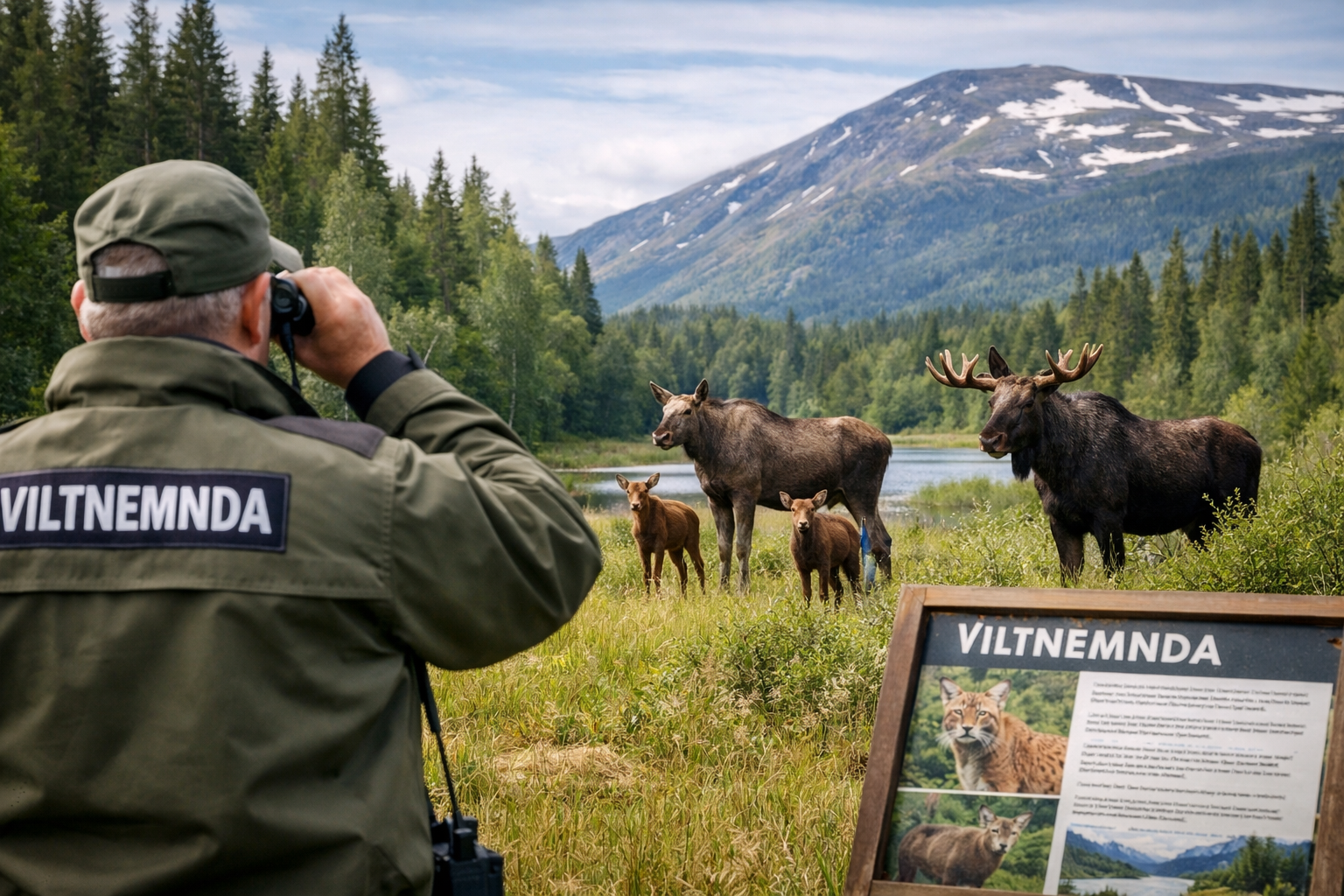
Viltnemnda
Introduction to Viltnemnda
Viltnemnda, or the wildlife committee, plays a critical role in preserving and managing Norway’s rich biodiversity. It’s an essential organization dedicated to ensuring that Norway’s wildlife remains protected and thrives. As we navigate through the various aspects of Viltnemnda, you’ll understand its role in shaping wildlife conservation policies and practices that benefit both the environment and the people of Norway. This article will break down its responsibilities, challenges, and the impact it has on maintaining ecological balance.
What is Viltnemnda?
Viltnemnda is a government-appointed body responsible for wildlife conservation and management in Norway. It works in close coordination with local authorities, hunters, and conservationists to implement policies for the protection of wildlife and sustainable use of natural resources. This includes ensuring that wildlife populations are balanced, habitats are maintained, and that hunting is carried out responsibly to avoid any ecological harm.
The Core Responsibilities of Viltnemnda
The primary responsibilities of Viltnemnda include wildlife population monitoring, managing hunting regulations, and safeguarding endangered species. Viltnemnda also helps mediate conflicts between humans and wildlife, ensuring that solutions are found without harming wildlife populations or people’s livelihoods. Additionally, they work closely with other environmental organizations to create comprehensive conservation strategies that benefit both the environment and local communities.
Viltnemnda’s Role in Wildlife Management
Wildlife management is one of the core responsibilities of Viltnemnda. It includes setting quotas for hunting certain species, monitoring populations, and determining the health of different species in Norway. This management helps ensure that populations of animals like deer, moose, and wild boar do not exceed their ecological limits, which could lead to habitat destruction or overgrazing. By regulating hunting practices, Viltnemnda helps maintain ecological balance.
Importance of Viltnemnda in Conservation Efforts
Conservation efforts in Norway heavily rely on Viltnemnda to maintain and improve the habitats of endangered species. The committee works hard to create laws that protect vulnerable species and their habitats, making sure that these areas remain untouched by human activities. Through this work, Viltnemnda plays a pivotal role in preventing species from becoming extinct and ensuring a future where wildlife can flourish.
Collaborations with Local Communities
Viltnemnda’s work isn’t just about enforcing rules from above. The committee works in collaboration with local communities to promote sustainable practices that benefit both the environment and people’s livelihoods. By involving local hunters and farmers in wildlife management efforts, Viltnemnda creates a sense of shared responsibility. This collaboration helps foster a deeper understanding of conservation efforts and supports the community’s participation in protecting wildlife.
Challenges Faced by Viltnemnda
Despite its significant role in wildlife conservation, Viltnemnda faces several challenges. One major issue is balancing the interests of conservation with human activities such as agriculture and urbanization. With the increasing population and development, maintaining wildlife habitats is becoming more challenging. Additionally, climate change is impacting the migration patterns and health of many species, making it harder for Viltnemnda to predict and manage population dynamics.
Viltnemnda and Climate Change
Climate change has an undeniable impact on wildlife, and Viltnemnda is working hard to adapt to these changes. Warmer temperatures, altered migration patterns, and shifting ecosystems are all challenges that the committee must address. Viltnemnda collaborates with researchers to monitor these changes and develop strategies to mitigate the adverse effects on wildlife. By being proactive, Viltnemnda helps safeguard species from the impacts of global warming.
Viltnemnda’s Role in Education and Awareness
Another important aspect of Viltnemnda’s work is educating the public about the importance of wildlife conservation. They offer educational programs, workshops, and materials to increase awareness of Norway’s diverse wildlife and the challenges it faces. By spreading knowledge and fostering a deeper connection to nature, Viltnemnda ensures that future generations are more equipped to protect and appreciate wildlife.
The Impact of Viltnemnda on Norway’s Economy
Viltnemnda also plays a role in Norway’s economy, particularly in rural areas where wildlife management contributes to tourism. The presence of healthy wildlife populations attracts eco-tourists, contributing to the local economy. Additionally, sustainable hunting practices regulated by Viltnemnda help maintain a balance between human needs and wildlife preservation, ensuring that resources are used wisely without jeopardizing the ecosystem.
How Viltnemnda Supports Hunters and Farmers
Viltnemnda provides guidelines and support for hunters and farmers, helping them align their practices with conservation efforts. Through training and resources, hunters are educated on sustainable hunting methods, and farmers are encouraged to implement wildlife-friendly practices on their land. This collaborative approach helps minimize conflicts between human activities and wildlife while ensuring that the land remains viable for both parties.
Frequently Asked Questions (FAQs)
1. What is Viltnemnda’s primary responsibility?
Viltnemnda is primarily responsible for managing wildlife populations and ensuring that hunting is done sustainably and ethically.
2. How does Viltnemnda protect endangered species?
Viltnemnda works to create and enforce laws that protect endangered species and their habitats, ensuring their survival.
3. Can hunters help with conservation efforts?
Yes, Viltnemnda involves hunters in conservation by setting hunting quotas and encouraging responsible hunting practices.
4. What challenges does Viltnemnda face?
Viltnemnda faces challenges such as balancing conservation efforts with human development and adapting to the impacts of climate change.
5. How does Viltnemnda contribute to local economies?
By promoting sustainable hunting and wildlife tourism, Viltnemnda helps contribute to the local economy, especially in rural areas.
6. What role does education play in Viltnemnda’s work?
Education is a crucial part of Viltnemnda’s efforts to raise awareness about wildlife conservation and encourage public participation in protecting nature.
Conclusion: The Future of Wildlife Conservation in Norway
Viltnemnda plays an indispensable role in safeguarding Norway’s wildlife for future generations. With its dedication to sustainability, collaboration, and conservation, it ensures that both the environment and local communities can thrive together. As we move forward, continued support for Viltnemnda’s work will be essential to maintaining Norway’s rich biodiversity. Together, we can protect our wildlife and preserve Norway’s natural beauty.
you Also Like To Read: Delta Flight DL275 Diverted LAX: A Surprising Turn Over the Pacific
About the Author