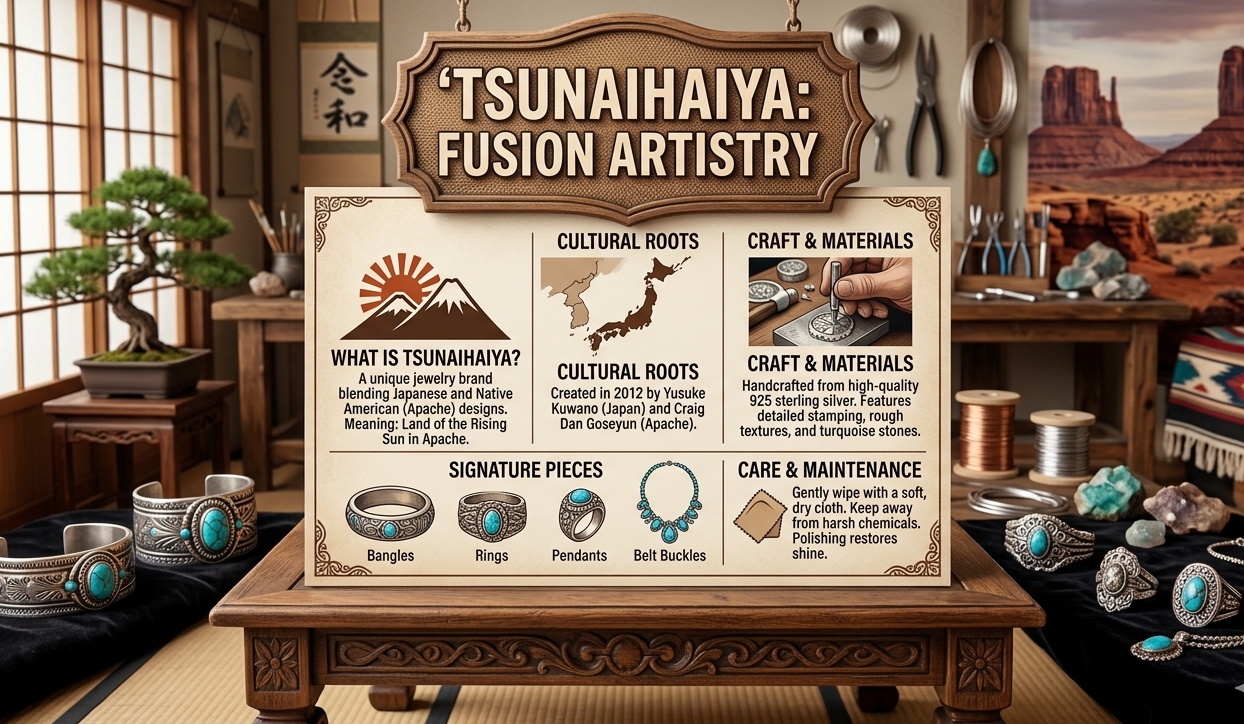
tsunaihaiya
The Beautiful Word That Means Sunrise, Unity, and Hope
Have you ever heard a word so beautiful that it makes you stop and smile? The word tsunaihaiya is exactly like that. It comes from the Apache language and carries a deep, powerful meaning. In Apache tradition, tsunaihaiya means “sunrise” or “the rising sun.” That is already lovely. But the word means so much more than just a morning event. It stands for new beginnings, hope after darkness, and the promise of a fresh start. When the sun rises each day, it brings light to the world. Tsunaihaiya captures that feeling perfectly. This word has traveled from ancient indigenous traditions into modern art, jewelry, and even social media. People today use it to express ideas about renewal, unity, and cultural pride.
In this complete guide, you will learn everything about tsunaihaiya. You will discover its origins, its meaning, and why so many people around the world have fallen in love with this special word. Get ready to be inspired by the beauty of tsunaihaiya.
What Does Tsunaihaiya Mean? The Simple Answer
The most widely accepted meaning of tsunaihaiya comes from the Apache language. It translates to “sunrise” or “the rising sun.” That is a beautiful image, is it not? Imagine standing on a quiet hill as the first rays of sunlight touch the earth. The world feels new again. That is the feeling tsunaihaiya describes. But the word goes beyond just a literal definition. It carries symbolic weight too. Here are the key symbolic meanings of tsunaihaiya:
- Renewal – like the start of a brand new day
- Balance – because sunrise brings equal light to everyone
- Unity – the same sun rises for all people regardless of where they live
- Resilience – the strength to keep going even after a dark night
So when someone says tsunaihaiya, they are not just talking about the sun. They are talking about hope, healing, and the beautiful cycle of life that continues no matter what. That is why this word has touched so many hearts around the world.
The Cultural Origins of Tsunaihaiya in Apache Tradition
The roots of tsunaihaiya go deep into indigenous American culture, especially the Apache people. For many native communities, nature is not just scenery. It is sacred. The sunrise, the wind, the stars, and the animals all carry spiritual meaning. In this worldview, tsunaihaiya is more than a word. It is a reminder of the connection between people and the natural world. Every morning when the sun appears, it brings a message. The message is simple:
- Life continues
- Darkness does not last forever
- You have another chance to do good, to love, and to grow
Apache oral traditions and ceremonial language have used words like tsunaihaiya for generations. These words were not written in books. They were spoken around fires, shared between elders and children, and woven into songs and prayers. That oral heritage gives tsunaihaiya a depth that dictionary words cannot match. When you use this word, you are connecting to centuries of wisdom, storytelling, and respect for the earth. That is a powerful thing.
| Tsunaihaiya Information Archive | |
|---|---|
| Primary Meaning | Sunrise or the rising sun (from Apache language) |
| Symbolic Meanings | Renewal, unity, resilience, balance, hope, new beginnings |
| Language Origin | Apache (indigenous North American language) |
| Cultural Context | Native American spiritual and oral traditions |
| Modern Usage | Artisan jewelry brand, creative expression, digital culture |
| Jewelry Brand Founded | 2012 |
| Founders | Craig Dan Goseyun (San Carlos Apache) and Yusuke Kuwano (Japanese artist) |
| Headquarters | Santa Fe, New Mexico, USA and Osaka, Japan |
| Artistic Style | Fusion of Apache silversmithing and Japanese metalwork |
| Core Values | Cultural respect, craftsmanship, tradition meeting innovation |
| Popular Products | Handcrafted bangles, rings, necklaces with snake and sunrise motifs |
| Online Presence | Growing interest on social media, blogs, and creative platforms |
| Target Audience | Artists, jewelry collectors, cultural enthusiasts, digital creators |
This table gives you a complete picture of tsunaihaiya at a glance. Keep it handy for quick reference.
The Tsunaihaiya Jewelry Brand: Art That Tells a Story
One of the most beautiful expressions of tsunaihaiya comes from the world of artisan jewelry. In 2012, two talented artists came together to create a brand. One was Craig Dan Goseyun, a skilled craftsman from the San Carlos Apache tribe. The other was Yusuke Kuwano, a Japanese artist who studied metalwork at the Institute of American Indian Arts in Santa Fe, New Mexico. They named their brand Tsunaihaiya. Why that name? Because it perfectly captures their mission. They wanted to create art that bridges two rich cultures. Here is what makes this brand special:
- Apache silversmithing – a long history of stunning jewelry with deep spiritual meaning
- Japanese metalwork – brings precision, minimalism, and respect for materials
- Fusion approach – creates something completely new and beautiful, not a copy of either tradition
Each piece of Tsunaihaiya jewelry is handmade with care. You will find snake bangles with scales stamped into silver. You will find rings that honor both Apache symbols and Japanese design principles. This is not mass-produced fashion. This is wearable art that tells a story of unity and respect.
The Symbolism Behind Tsunaihaiya Jewelry Designs
Every piece of tsunaihaiya jewelry carries deep symbolism. Take the snake bangle, for example. In Japanese tradition, the snake has been worshipped as a god since ancient times. The white snake, in particular, is seen as a high-ranking spiritual creature. When you wear a tsunaihaiya snake bangle, you are wearing a symbol of protection and spiritual power. But the snake also appears in Apache art as a creature of the earth, representing life force and transformation. Here are the key symbolic layers:
- Protection – from the Japanese snake god tradition
- Life force – from Apache earth-based spirituality
- Transformation – snakes shed their skin, symbolizing renewal (perfect for a sunrise word)
- Harmony – the combination of two cultures in one design
By combining these meanings, tsunaihaiya jewelry becomes a bridge between two worlds. The craftsmanship itself is symbolic too. Traditional Native American stamp work creates patterns that look like snake scales or sun rays. Japanese metalwork adds gold accents and perfect polishing. The result is a piece that honors the past while looking toward the future. That is exactly what tsunaihaiya means: sunrise, renewal, and the beautiful blending of different traditions into something harmonious.
The Two Master Artisans Behind Tsunaihaiya
Let me tell you more about the incredible people behind tsunaihaiya. Yusuke Kuwano moved from Japan to Santa Fe, New Mexico in 2009. Santa Fe is the heart of Southwest Native American art. There, he studied at the Institute of American Indian Arts, focusing on metalwork. He did something amazing. He won gold medals in jewelry competitions at the institute, a rare achievement for a Japanese artist in a field dominated by Native American traditions.
His partner, Craig Dan Goseyun, comes from the San Carlos Apache tribe. He brings generations of indigenous knowledge about silversmithing, symbolism, and storytelling. Together, they created Tsunaihaiya as a space where their cultures could meet as equals. They do not borrow from each other’s traditions. They honor them. Here is how they work together:
- Kuwano learned Apache techniques from Goseyun
- Goseyun incorporated Japanese design ideas into his work
- Neither tries to “own” the other’s culture – they share and respect
This is not cultural appropriation. This is cultural collaboration at its finest. The name tsunaihaiya itself reflects this partnership. It is an Apache word, chosen with respect, that also connects to Japan as the “land of the rising sun.” That is beautiful, is it not?
How Tsunaihaiya Represents Cultural Unity and Respect
In today’s world, we often hear about cultural clashes. People argue about who owns what tradition. But tsunaihaiya offers a different path. It shows that cultures can meet, share, and grow together without losing their unique identities. The Apache people have a deep connection to the sun, to nature, and to handcrafted art. Japanese culture values precision, minimalism, and spiritual symbolism. Tsunaihaiya does not force these traditions to blend into a muddy mix. Instead, it lets each one shine while creating something new. Here are the core lessons of tsunaihaiya for cultural respect:
- Unity does not mean sameness – differences are celebrated, not erased
- Respect requires learning – you cannot honor a culture without understanding it
- Collaboration creates beauty – two traditions together can make something neither could make alone
Think of it like a conversation. When two people talk, they do not become the same person. They learn from each other. That is what tsunaihaiya represents. The word itself carries the idea of sunrise, which is a daily reminder that light brings clarity. When we approach other cultures with respect and a willingness to learn, we see more clearly. We understand that our differences are not threats. They are gifts. Tsunaihaiya teaches us that unity does not mean sameness. It means harmony. And that is a lesson the whole world needs right now.
The Growing Popularity of Tsunaihaiya on Social Media
Have you noticed tsunaihaiya popping up on your social media feeds? You are not alone. This beautiful word has gained traction on platforms like Instagram, TikTok, and Twitter. Why? Because people love words that sound unique and carry deep meaning. Tsunaihaiya rolls off the tongue in a melodic way. It feels exotic yet familiar. It is short enough to remember but unusual enough to stand out. Content creators have started using tsunaihaiya as a hashtag for many types of posts. Here are some examples:
- Sunrise photos – capturing the literal meaning of the word
- New beginnings – announcing a new job, move, or personal goal
- Personal growth – posts about overcoming challenges or starting fresh
- Artistic inspiration – paintings, poems, or music that evoke hope
- Jewelry showcases – pictures of tsunaihaiya brand pieces
Some use it to describe a feeling they cannot name any other way. Others use it as a brand name for their creative projects. The word’s meaning is flexible, which is actually a strength. Because tsunaihaiya is not locked into one strict definition, people can adapt it to their own experiences. A photographer might caption a sunrise photo with #tsunaihaiya. A writer might use it as the title of a poem about hope. This organic spread shows how language lives and grows in the digital age.
Tsunaihaiya as a Symbol for Personal Renewal
Many people have adopted tsunaihaiya as a personal motto or affirmation. Think about your own life. Have you ever gone through a hard time? A dark night of the soul? Everyone has. The beautiful promise of tsunaihaiya is that dawn always comes. The sun always rises again. You can use this word to remind yourself that no matter how difficult today feels, tomorrow offers a fresh start. That is incredibly powerful. Here are simple ways to bring tsunaihaiya into your daily routine:
- Write it on a sticky note and put it on your bathroom mirror
- Say it silently to yourself when you feel afraid or stuck
- Use it as a morning greeting to yourself – “Good morning, tsunaihaiya”
- Make it your phone wallpaper background with a sunrise image
- Share it with a friend who is going through a tough time
You do not need to be Apache or Japanese to appreciate this word. The beauty of tsunaihaiya is that its core message is universal. Every human culture celebrates the sunrise. Every human heart longs for renewal. So go ahead and let tsunaihaiya be your word for the hard days. Let it remind you that the light is coming. The darkness will not last. You have survived every difficult day so far, and you will survive this one too. That is the quiet strength of tsunaihaiya.
The Evolution of Tsunaihaiya into Digital Culture
Language changes over time. Words that start in one place often travel far from their origins. Tsunaihaiya is a perfect example of this evolution. What began as an Apache word, then became a jewelry brand name, is now spreading through digital culture as a symbol of creativity and emotional depth. On blogs and social media, you will find tsunaihaiya used in all kinds of creative ways. Here is how it appears online:
- Mood descriptions – “I woke up feeling tsunaihaiya today”
- Art project themes – A painting series called “Tsunaihaiya Dreams”
- Music playlists – “Songs for your tsunaihaiya morning”
- Poetry and short stories – Adding mystery and beauty to a title
- Inspirational quotes – “Find your tsunaihaiya, even after the longest night”
This flexibility is not a bad thing. It shows that tsunaihaiya has taken on a life of its own. However, it is important to remember where the word came from. The best way to use tsunaihaiya is with respect for its Apache roots and the artisans who brought it into modern awareness. When you understand the history, your use of the word becomes richer and more meaningful. You are not just saying a cool-sounding term. You are participating in a living cultural conversation.
How to Use Tsunaihaiya in Your Own Life
Would you like to bring tsunaihaiya into your daily routine? There are many simple and beautiful ways to do that. I have already shared some ideas, but let me give you a complete list of practical actions. Choose the ones that feel right to you:
- Morning affirmation – When you wake up, look out the window and whisper “tsunaihaiya”
- Creative prompt – If you are an artist, writer, or musician, let tsunaihaiya inspire your next project
- Share the word – Teach a friend what it means and why it matters to you
- Support the brand – Look for authentic tsunaihaiya jewelry or art from Craig Dan Goseyun and Yusuke Kuwano
- Sit with the word – Say it out loud: Tsunai-hai-ya. Feel how the syllables flow
- Use it in journaling – Write “Today I will find my tsunaihaiya” at the top of the page
- Create a ritual – Light a candle at sunrise and say the word three times
No agenda. No goal. Sometimes, the best way to use a beautiful word is just to enjoy it. Tsunaihaiya asks nothing of you except a moment of appreciation. And in that moment, you might feel something shift inside you. A little more hope. A little more calm. A little more connection to the natural rhythm of the world. That is the quiet magic of this word.
Why Unique Words Like Tsunaihaiya Matter Today
In a world full of noise, unique words stand out. Tsunaihaiya matters because it is not ordinary. It is not “nice” or “good” or “beautiful,” even though it means those things too. It is specific. It carries history. It asks you to pause and think. That is rare in our fast-paced, scroll-past-everything culture. Here is why words like tsunaihaiya are so valuable right now:
- They demand attention – You cannot skim over a word you have never seen before
- They spark curiosity – You want to know what it means and where it comes from
- They create connection – Learning a word from another culture builds empathy
- They slow us down – In a good way, forcing us to be present
- They carry emotion – Ordinary words lose feeling; rare words feel fresh
When you encounter tsunaihaiya, you cannot just skim over it. The word demands a moment of your attention. And in that moment, you might feel something. Curiosity. Wonder. A sense of connection to something bigger than yourself. That is the magic of language. Words are not just tools for communication. They are vessels for emotion, memory, and meaning. Tsunaihaiya is a beautiful vessel. It carries the warmth of the sunrise, the strength of Apache tradition, the precision of Japanese craftsmanship, and the hope of new beginnings. In a time when many people feel disconnected from each other and from nature, words like this remind us that we are all part of the same human family. The same sun rises for everyone. That is a truth worth celebrating.
| Brand Comparison: Artisan Identity | |||
|---|---|---|---|
| Brand Name | Cultural Roots | Primary Meaning | Artistic Focus |
| Tsunaihaiya | Apache + Japanese | Sunrise, unity, renewal | Silver jewelry, snake motifs, fusion style |
| Native American Brands | Single tribe (Navajo, Zuni, etc.) | Varies (Rain, Bear, Eagle) | Traditional silversmithing, turquoise stones |
| Japanese Artisan Brands | Japanese only | Nature-based (Mountain, River) | Minimalist metalwork, precise detailing |
| Mainstream Brands | Commercial / Marketing | Brand-specific / Abstract | Mass production, trend-focused |
This comparison shows what makes tsunaihaiya special. It is not just one tradition. It is a bridge between two rich cultures. Most jewelry brands pick one cultural lane and stay there. Tsunaihaiya dares to bring Apache and Japanese traditions together with respect and skill. That is rare. That is valuable. And that is why people who appreciate authentic craftsmanship are so drawn to this name.
Frequently Asked Questions About Tsunaihaiya
1. What does tsunaihaiya literally mean?
The most widely accepted meaning of tsunaihaiya comes from the Apache language, where it means “sunrise” or “the rising sun.” It is also associated with ideas of renewal, new beginnings, unity, and resilience.
2. Is tsunaihaiya a real word from a dictionary?
Tsunaihaiya is not found in standard English dictionaries. However, it is a real word with roots in Apache oral tradition. It has also become the name of an artisan jewelry brand founded in 2012.
3. Who created the tsunaihaiya jewelry brand?
The tsunaihaiya jewelry brand was founded in 2012 by Craig Dan Goseyun, who is San Carlos Apache, and Yusuke Kuwano, a Japanese artist. They met while studying metalwork in Santa Fe, New Mexico.
4. Is the term “tsunaihaiya” open for everyone to use?
Yes, the word tsunaihaiya can be used by anyone, especially in artistic, symbolic, or cultural expressions. That said, it’s important to approach it thoughtfully and acknowledge its Apache roots as well as the creators who helped introduce it more widely. Knowing its background adds depth and authenticity to how you use it.
5. What’s behind the rise of tsunaihaiya online?
The growing popularity of tsunaihaiya on social platforms comes from its distinctive sound, uplifting meaning, and versatility. Many people use it in hashtags for sunrise imagery, self-growth reflections, and creative content. Its rhythmic and lyrical feel also makes it easy to remember and share.
6. How can I find genuine tsunaihaiya jewelry?
Original tsunaihaiya jewelry pieces are available through certain retailers and possibly official brand outlets. The brand operates out of Santa Fe, New Mexico, and Osaka, Japan. To ensure authenticity, look for items that recognize Craig Dan Goseyun and Yusuke Kuwano as the designers.
Conclusion: Connecting with the Essence of Tsunaihaiya
Tsunaihaiya represents something truly special. It blends the warmth of sunrise, the richness of Apache tradition, the elegance of Japanese craftsmanship, and the universal feeling of renewal. Whether you encountered this word through art, jewelry, or online content, it now becomes part of your experience—and that carries meaning.
Let tsunaihaiya remind you that every dark moment eventually gives way to light. Let it symbolize harmony between cultures when approached with respect and openness. Let it capture that quiet sense of hope you feel at the start of a new day.
Words hold influence, and tsunaihaiya carries a sense of inspiration, connection, and creativity. Speak it aloud—tsu-nai-hai-ya—notice its rhythm, and embrace the feeling it brings. Share it with others, explain its meaning, and allow its spirit to brighten everyday moments, just like the rising sun.
| Read More Informative Blogs Like This. Tap Here 👉 What Does Contingent Mean on a House for Sale? 2026 |
About the Author
