what does contingent mean on a house for sale
Introduction
Imagine you finally find the perfect home. The photos are beautiful, the price feels right, and you can already picture yourself living there. Then you look at the listing status and see the word “contingent.” Your heart sinks a little. What does contingent mean on a house for sale? Does it mean the house is gone forever, or is there still hope? I’ve been there myself, scrolling through listings late at night, trying to decode real estate jargon. The truth is, contingent does not mean sold. It means an offer has been accepted, but certain conditions still need to be met before the deal can close.
Understanding this status can save you from giving up too soon or wasting time on a home that is no longer available. In this guide, I’ll break down everything you need to know about contingent status, how it affects buyers and sellers, and what you can do to still land your dream home.
The Simple Definition of Contingent in Real Estate
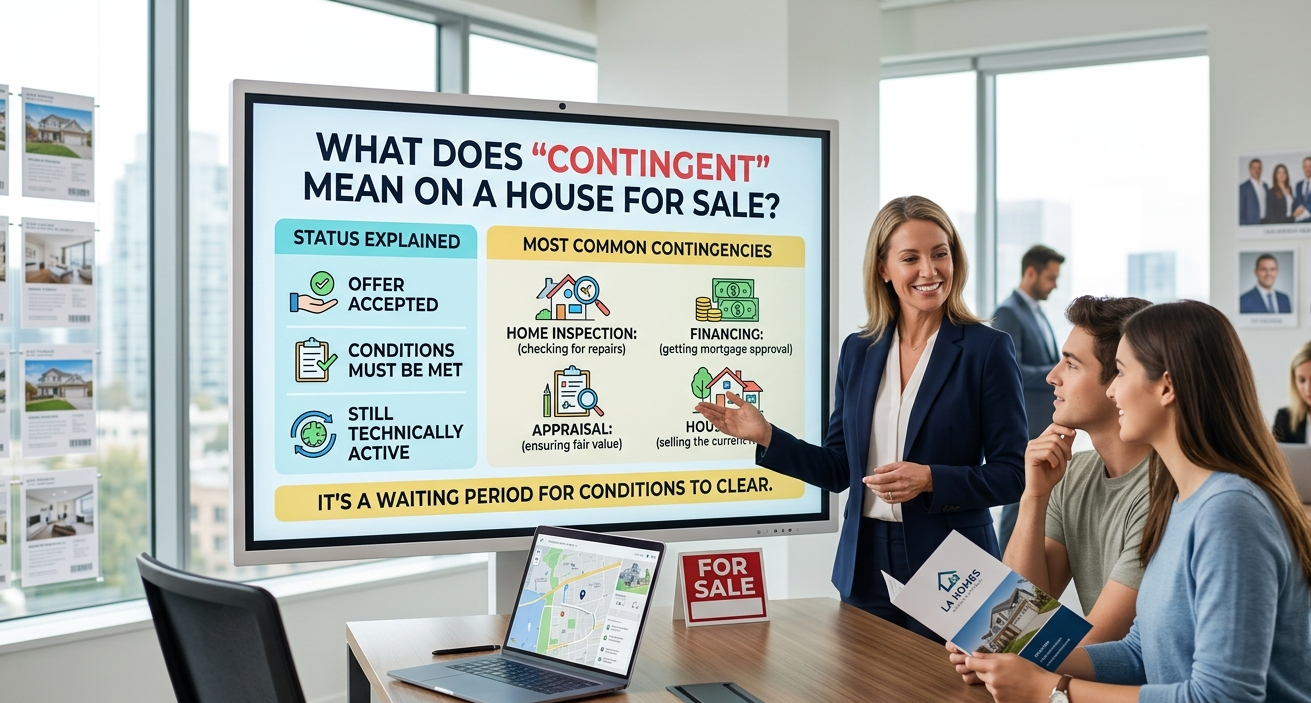
When you ask what does contingent mean on a house for sale, the simplest answer is that the seller has accepted an offer, but the sale is not final yet. The buyer and seller have agreed to move forward, but there are specific conditions—called contingencies—that must be satisfied before the transaction closes. Think of it like a job offer that depends on a background check. The offer is there, but until the check clears, nothing is official. These contingencies protect both parties.
For buyers, they ensure you don’t get stuck with a house that has major problems or a loan that falls through. For sellers, they provide a clear path to closing. The contingent status tells other potential buyers that the home is under contract but not yet sold. It’s a signal to stay alert because deals can fall through, and when they do, that home may come back on the market.
Common Types of Contingencies You’ll Encounter
To truly understand what does contingent mean on a house for sale, you need to know the different contingencies that can be attached. Each one protects a different part of the transaction. The most common is the inspection contingency. This gives the buyer the right to hire a professional inspector to check the home for issues like roof damage, electrical problems, or plumbing leaks. If major problems are found, the buyer can negotiate repairs or walk away. Another common one is the financing contingency.
This protects buyers who need a mortgage. If the loan falls through for reasons outside their control, they can back out without losing their deposit. There’s also the appraisal contingency, which ensures the home’s value matches the purchase price. If the appraisal comes in low, the buyer can renegotiate or cancel. Each of these contingencies creates a window where the deal is still vulnerable.
Inspection Contingency Explained in Plain Terms
One of the biggest reasons a home shows as contingent is the inspection contingency. When a buyer makes an offer, they almost always include a clause that gives them 7 to 14 days to have the home inspected by a licensed professional. During this time, the buyer can learn about hidden problems that aren’t visible during a casual walkthrough. I’ve seen inspections uncover everything from old wiring to foundation cracks. If the inspector finds serious issues, the buyer has options.
They can ask the seller to fix the problems, reduce the price, or cancel the deal entirely. For sellers, this period can feel tense because the deal isn’t locked in yet. For other buyers, it’s a waiting game. If the inspection reveals something the buyer can’t accept, the home may return to active status. That’s why paying attention to contingent listings can pay off.
Financing Contingency and Why It Matters
Another critical piece of what does contingent mean on a house for sale is the financing contingency. Most buyers need a mortgage to purchase a home. Even if they are pre‑approved, final loan approval can still fall through. Lenders look at the buyer’s employment, credit score, and the home’s condition before giving the final green light. If something changes—like a job loss or a last‑minute credit issue—the loan could be denied. The financing contingency protects the buyer’s earnest money deposit in that situation. Without this contingency, a buyer could lose thousands of dollars if their loan falls apart.
For sellers, this contingency means the deal isn’t solid until the buyer’s lender officially commits. This is one reason contingent status can linger for weeks. Until the loan clears, the home is still technically available if the buyer can’t perform.
Appraisal Contingency and Its Role in Deals
The appraisal contingency is another key reason a home might show as contingent. Lenders require an appraisal to make sure the home is worth the amount being borrowed. An independent appraiser visits the property, compares it to recent sales, and assigns a value. If the appraisal comes in lower than the agreed purchase price, the lender will only loan based on the lower number. That leaves a gap. The buyer can make up the difference in cash, ask the seller to lower the price, or cancel the deal. I’ve seen deals fall apart right at the finish line because of a low appraisal. For homebuyers watching a contingent listing, this is a hopeful sign.
If the appraisal creates a disagreement, the home could come back on the market. This contingency protects buyers from overpaying and ensures the lender isn’t taking too much risk.
Active Under Contract vs. Contingent: What’s the Difference?
When you’re scrolling through real estate websites, you might see different labels like “active under contract” or “pending.” Understanding how these compare to contingent status helps you know where a deal really stands. Active under contract usually means an offer has been accepted, but contingencies are still active. This is essentially the same as contingent. Pending means all contingencies have been satisfied, and the sale is moving toward closing. A pending status is much harder to overturn. Contingent status is the one where deals still have a chance to fall through.
I always tell friends who are house hunting to keep watching contingent listings, especially those that have been in that status for a while. The longer a deal sits in contingent, the higher the chance that one of the contingencies might not be resolved.
What Happens When Contingencies Aren’t Met?
So what does contingent mean on a house for sale when things don’t go as planned? If a contingency isn’t met, the buyer typically has the right to walk away and get their earnest money back. For example, if the inspection reveals a cracked foundation and the seller refuses to repair it, the buyer can cancel. The home then goes back to active status, and other buyers get a second chance. This happens more often than you might think. I’ve seen deals fall through because of financing issues, appraisal gaps, or even a buyer’s cold feet. Sellers are usually disappointed, but they often relist the home quickly.
For buyers who missed out the first time, this is an opportunity. If you’re watching a contingent listing and it suddenly goes back to active, that’s your moment to act fast and submit a backup offer.
Can You Still Make an Offer on a Contingent Home?
One of the most common questions I hear is whether you can still make an offer on a home with contingent status. The answer is yes. Sellers will often accept backup offers while they wait for the current buyer to clear their contingencies. A backup offer means if the first deal falls through, your offer becomes the primary one. This doesn’t cost you anything upfront, and it puts you in a great position if something goes wrong with the first deal. I’ve helped friends submit backup offers, and sometimes it pays off.
The key is to work with an experienced real estate agent who can communicate with the seller’s agent. They can find out how solid the current deal is and whether the seller is open to backup offers. Even if you don’t get the home, having a backup offer keeps you in the game.
How Long Does Contingent Status Usually Last?
The length of contingent status varies depending on the contingencies involved and how quickly both parties respond. Typical inspection periods last 7 to 14 days. Financing and appraisal contingencies can take 3 to 4 weeks, especially if the buyer is using a government loan like FHA or VA. In total, a home might stay contingent for 30 to 45 days before moving to pending or falling through. I’ve watched some deals close in three weeks, while others linger for two months.
The timeline matters to you as a potential buyer because it tells you when to check back. If a home has been contingent for over a month, the chances of it coming back on the market increase. If it’s only been a week, the deal is still fresh and less likely to fail. Patience and timing are your best tools.
Detailed Table: Types of Contingencies and What They Mean
| Contingency Type | What It Protects | Typical Timeframe | What Can Cause Failure |
|---|---|---|---|
| Inspection | Buyer from buying a home with hidden defects | 7–14 days | Major structural issues, safety hazards, repair disputes |
| Financing | Buyer’s earnest money if loan falls through | 21–30 days | Job loss, credit drop, loan denial, changing rates |
| Appraisal | Buyer from overpaying; lender from over‑lending | 10–21 days | Home value below purchase price |
| Home Sale | Buyer who needs to sell their current home first | 30–60 days | Buyer’s home doesn’t sell in time |
| Title | Buyer from inheriting legal ownership issues | 10–30 days | Liens, ownership disputes, boundary issues |
Note: Timeframes vary by state, market conditions, and contract terms. Always consult your real estate agent for specific details.
The Seller’s Perspective on Contingent Offers
Understanding what does contingent mean on a house for sale from the seller’s side helps you see the full picture. Sellers accept contingent offers because they want to sell their home, but they also know there’s risk. A contingent offer means the seller is taking the home off the active market while waiting for the buyer to meet their conditions. During this time, the seller cannot accept another primary offer unless the first deal falls through. Some sellers add a “kick‑out” clause to protect themselves. This clause lets the seller continue showing the home and accept a better offer if one comes along.
If that happens, the original buyer gets a short window to remove their contingencies or walk away. For sellers, it’s a balancing act between securing a buyer and keeping options open.
How to Use Contingent Listings to Your Advantage
Savvy homebuyers know that contingent listings are opportunities, not dead ends. When you understand what does contingent mean on a house for sale, you can turn waiting time into strategy. Start by asking your real estate agent to contact the seller’s agent. Find out where the current deal stands. Are they still in the inspection period? Has the appraisal been ordered? The more you know, the better you can position yourself. If the deal seems shaky, you can submit a backup offer that becomes active if the first one fails.
I’ve seen this work many times. Buyers who stayed patient and kept their offers ready often ended up with the home. Also, keep an eye on contingent listings that have been sitting for a while. The longer they sit, the more likely something might go wrong.
The Difference Between Contingent and Pending
One of the most confusing parts of real estate statuses is the difference between contingent and pending. Now that you know what does contingent mean on a house for sale, let’s clarify pending. A pending status means all contingencies have been removed. The buyer is committed, the seller is committed, and the only thing left is the final paperwork and closing. At this stage, the deal is much harder to break. Pending homes rarely come back to market. Contingent homes, on the other hand, still have active conditions that could cause the deal to fall apart.
If you’re a buyer, you want to focus on contingent listings, not pending ones. Pending means you’re likely too late. Contingent means there’s still a chance. Knowing this distinction saves you time and emotional energy.
What to Do If a Contingent Home Goes Back Active
Sometimes, the best scenario happens: a contingent home goes back to active status. When this happens, you need to move quickly. The seller is now motivated to find a new buyer, especially if they’ve been waiting for weeks. Your first step is to have your agent contact the listing agent immediately. Ask why the deal fell through. Was it inspection, financing, or appraisal? Knowing the reason helps you decide if you want to move forward. If the issue was a low appraisal, you might need to adjust your offer.
If it was a financing issue with the previous buyer, your stronger financial position could make you the perfect candidate. I always recommend having your pre‑approval letter ready and being prepared to tour the home again if needed. Speed and preparation are your biggest advantages in this situation.
How to Make Your Offer Stronger Than Contingent Offers
If you want to avoid the uncertainty of contingent deals altogether, you can make your offer stronger from the start. A strong offer means fewer contingencies or shorter contingency periods. For example, you could waive the inspection contingency if you’re confident about the home’s condition, though this comes with risk. You could also get fully underwritten approval from your lender before making an offer, which shows sellers your financing is solid. Another strategy is to offer a larger earnest money deposit to show you’re serious. Sellers are more likely to accept an offer with fewer hurdles.
I’ve seen buyers win bidding wars simply because they offered a shorter inspection period or waived the appraisal contingency. The goal is to make your offer so clean and reliable that the seller doesn’t need to worry about contingencies dragging out the process.
The Emotional Side of Waiting on a Contingent Home
Let’s be honest—waiting on a contingent home can be emotionally draining. You’ve found a place you love, but you’re stuck watching from the sidelines. Every day feels like a test of patience. I’ve been there, refreshing the listing page, hoping to see it change back to active. The best advice I can give is to keep looking while you wait. Don’t put all your hopes into one contingent home. Continue touring other properties, and if something else catches your eye, go for it. Real estate moves fast, and the right home will come along.
If the contingent home does become available again, you’ll be in a stronger position because you’ll have seen more options and you’ll know exactly what you want. Patience is important, but so is staying active in your search.
Frequently Asked Questions
1. What does contingent mean on a house for sale in simple terms?
It means the seller has accepted an offer, but the sale isn’t final yet. The buyer is still completing tasks like inspections, financing, or appraisal. Until those are done, the deal could still fall through.
2. Can I make an offer on a house that is contingent?
Yes, you can. Sellers often accept backup offers. If the first deal falls through, your backup offer becomes the primary one. Talk to your real estate agent about submitting a backup offer.
3. How long does a house typically stay contingent?
Most homes stay contingent for 30 to 45 days. This gives the buyer time to complete inspections, secure financing, and satisfy any other conditions in the contract.
4. What’s the difference between contingent and pending?
Contingent means conditions still need to be met. Pending means all conditions have been satisfied and the sale is moving toward closing. Pending homes are much less likely to come back on the market.
5. What happens if a buyer can’t meet the contingencies?
If a buyer fails to meet a contingency, they can usually cancel the contract and get their earnest money back. The home then returns to active status, allowing other buyers to make offers.
6. Should I wait for a contingent home or keep looking?
It’s wise to keep looking while waiting. Contingent homes can fall through, but they can also close successfully. Continuing your search ensures you don’t miss other great opportunities.
Conclusion
Now you know exactly what does contingent mean on a house for sale. It’s not a dead end. It’s a status that tells a story—one where an offer is accepted, but the finish line hasn’t been crossed yet. For buyers, this status is a chance to stay hopeful, submit backup offers, and be ready to act if the deal falls through. For sellers, it’s a necessary step that protects both sides while working toward closing. I’ve walked through this process with friends and family, and I’ve seen how understanding contingent status can turn confusion into confidence. Whether you’re a first‑time buyer or someone who has bought homes before, knowing these details helps you make smarter decisions.
The housing market moves fast, but with the right knowledge, you can move faster. Keep your agent close, stay patient, and be ready when opportunity knocks. Your dream home might be closer than you think.
| Read More Informative Blogs Like This. Tap Here 👉 Best 2k24 Locker Codes Guide: Unlock Free Rewards Fast |