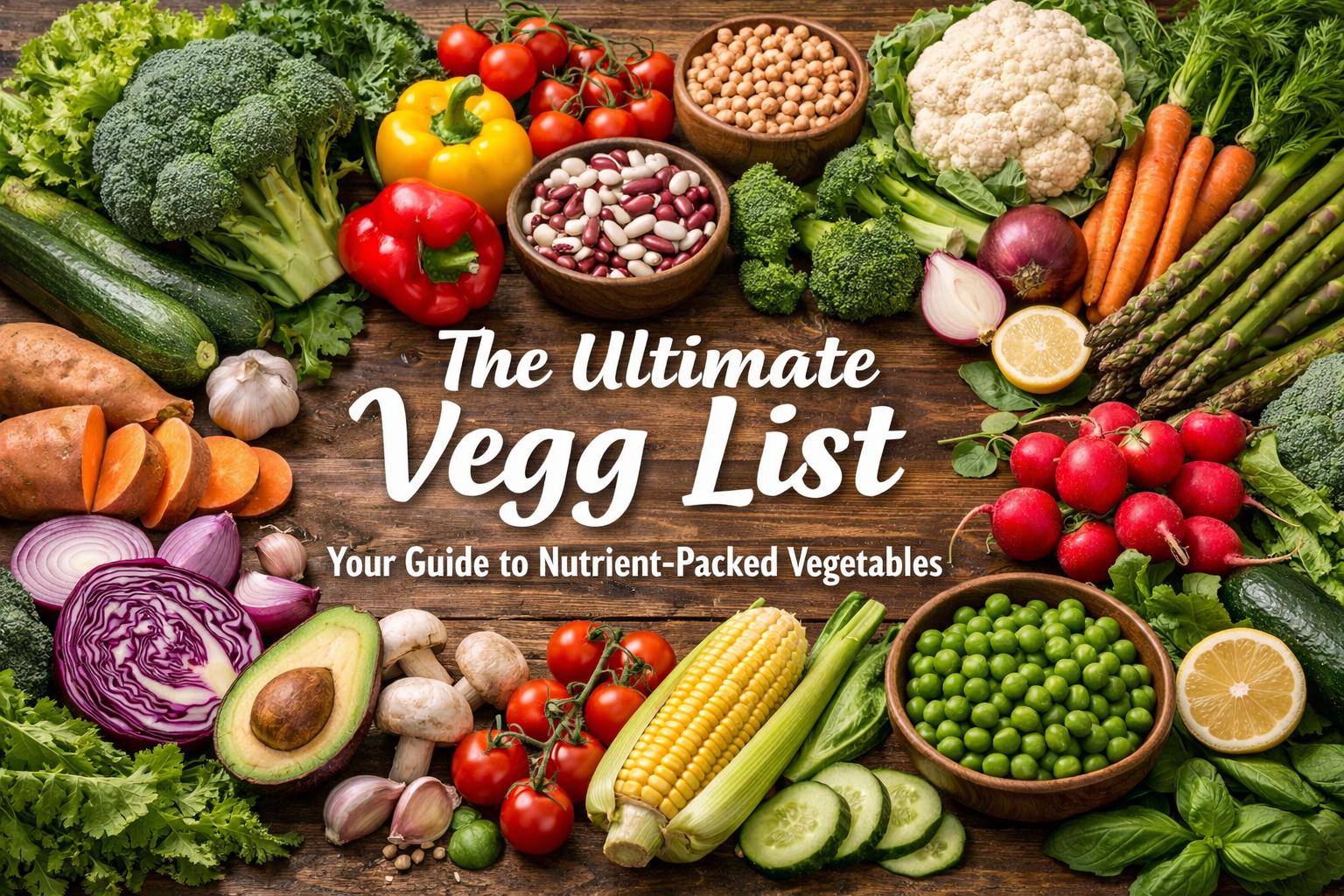
Vegg List
If you’re looking to revamp your diet and add more health benefits to your meals, then a good starting point is a detailed vegg list. Vegetables are rich in vitamins, minerals, and antioxidants that keep your body healthy and strong. Whether you’re a vegetarian or simply want to incorporate more veggies into your daily meals, this guide will provide you with a list of the best vegetables and how they benefit your body. With simple explanations and helpful tips, you’ll be adding these nutrient-packed foods to your meals in no time.
What is a Vegg List?
A vegg list is simply a categorized compilation of vegetables that can enhance your diet. These veggies range from leafy greens to root vegetables, each offering its own set of nutrients. This list helps you choose the right vegetables based on your dietary needs and goals. It also offers insights into the versatility of each vegetable in different cuisines and how to include them in your daily meals.
Top Vegetables for Your Health
When creating a vegg list, it’s important to prioritize vegetables that provide the most health benefits. For instance, leafy greens such as spinach and kale are packed with vitamins A, C, and K. These vegetables are also rich in fiber, which helps with digestion and overall gut health. Other vegetables like carrots and sweet potatoes are loaded with antioxidants, promoting healthy vision and skin.
Why Leafy Greens are Essential
Leafy greens, like spinach, kale, and collard greens, are staples on any vegg list. These vegetables are known for being high in iron, calcium, and fiber. They not only support bone health but also boost immunity. Adding a handful of leafy greens to your smoothies, salads, or even cooking them with your meals will provide a powerhouse of nutrients.
Cruciferous Vegetables: Broccoli, Cauliflower, and More
Cruciferous vegetables, including broccoli, cauliflower, and Brussels sprouts, are essential for any health-conscious diet. These vegetables are rich in vitamins, minerals, and cancer-fighting compounds. They also support heart health and promote healthy digestion. Whether you enjoy them raw, steamed, or roasted, they’re a perfect addition to your vegg list.
Root Vegetables for a Nutrient Boost
Root vegetables like sweet potatoes, carrots, and beets offer great nutritional value while being easy to incorporate into your meals. These vegetables are an excellent source of complex carbohydrates, fiber, and vitamins like A and C. Root vegetables also contain potassium, which supports heart health and helps maintain proper hydration.
The Power of Legumes: Beans and Peas
Don’t forget to add legumes to your vegg list! Beans, peas, and lentils are fantastic sources of protein, fiber, and essential vitamins and minerals. They help regulate blood sugar levels and are an excellent choice for plant-based eaters. From black beans to chickpeas, legumes can be used in salads, stews, soups, and even veggie burgers.
Colorful Vegetables: Adding Variety to Your Diet
One of the best things about vegetables is their array of colors. The vibrant hues of bell peppers, tomatoes, and beets are not only visually appealing but also a sign of their nutrient content. These colorful vegetables are rich in antioxidants that help fight oxidative stress in the body. Plus, they add variety to your meals, making them more exciting to eat.
Vegg List for Weight Loss
If you’re aiming for weight loss, certain vegetables should be prioritized. Vegetables like cucumbers, zucchini, and bell peppers are low in calories and high in water content, making them perfect for weight management. Additionally, leafy greens and cruciferous vegetables are great for boosting metabolism and helping the body burn fat more efficiently.
How to Cook with Vegetables
Cooking vegetables doesn’t have to be complicated. Whether you’re steaming, roasting, grilling, or stir-frying, there are plenty of easy ways to incorporate vegetables into your meals. Experiment with different seasonings and herbs to enhance the natural flavors. Roasting vegetables with a drizzle of olive oil and a sprinkle of salt and pepper can bring out their natural sweetness.
Benefits of a Vegg List: Improve Your Health
Having a vegg list makes it easier to select the right vegetables for your diet, ensuring you’re getting a good balance of nutrients. Vegetables are essential for maintaining a healthy immune system, promoting skin health, and supporting bone strength. They are also incredibly versatile and can be used in a wide variety of dishes.
How to Make a Vegg List Work for You
Creating your own personalized vegg list can be fun and rewarding. Start by focusing on vegetables you enjoy eating, and then gradually add new ones as you explore different recipes. You can plan your meals ahead of time to ensure you’re including a variety of veggies in each meal. The more vegetables you include, the better your health will be in the long run.
Tips for Storing and Preserving Your Vegetables
To make the most of your vegg list, it’s important to know how to store your vegetables properly. Leafy greens should be stored in the fridge in a sealed container, while root vegetables can be kept in a cool, dark place. Additionally, freezing vegetables is an excellent way to preserve them for longer periods without losing their nutrients.
Common Questions About Vegetables and Diet
1. What are the healthiest vegetables to eat daily?
Leafy greens like spinach and kale, cruciferous vegetables like broccoli, and root vegetables like sweet potatoes are among the healthiest to eat daily.
2. How can I add more vegetables to my diet?
You can add vegetables to smoothies, salads, soups, stir-fries, and even as a side dish with your main meal. Experiment with new recipes to keep things interesting.
3. What vegetables should I avoid for weight loss?
Avoid vegetables that are high in starchy carbohydrates, such as corn and potatoes. Instead, opt for non-starchy vegetables like cucumbers and zucchini.
4. Are frozen vegetables as nutritious as fresh ones?
Yes, frozen vegetables are just as nutritious as fresh ones, and they often retain more nutrients because they are frozen at their peak ripeness.
5. How do vegetables benefit the immune system?
Vegetables like bell peppers, broccoli, and carrots are rich in vitamin C, which helps boost the immune system and protect the body from illness.
6. Can vegetables help with digestive health?
Yes, vegetables are high in fiber, which promotes healthy digestion and can help prevent constipation.
Conclusion: Start Your Vegg Journey Today!
Incorporating vegetables into your diet is an easy and delicious way to improve your overall health. With the right vegg list, you can ensure you’re getting a diverse range of nutrients that support everything from heart health to digestion. So start exploring these vibrant and nutritious veggies today – your body will thank you!
You Also Like To Read: Teach Me First: Your Complete Guide to This Heartfelt Webtoon Series
About the Author